Aix-en-Provence | Two Days in the Heart of Provence
Aix-en-Provence is a city that should not be overlooked by visitors when planning a trip to the South of France. Located around 20 miles north of Marseille and around 17 miles from Marseille airport, it is a quieter and slower experience than what you would find along the coast. Founded in 122 BC, its history is rich and diverse. Known for being the city of a thousand fountains and the birthplace of artist Paul Cézanne, this is reflected both on the streets and on the walls of its famed interiors.
The focus of this Edit is on how to spend two days exploring the city, enjoying the historic buildings, streets and galleries, alongside some considered dining options to make your visit complete. It is a city best enjoyed not at pace but with several pre-planned experiences, accompanied by enough time to allow the streets to guide you.
This Edit will allow you to plan either a stand-alone short break to Aix or a simple stop in a longer Provence itinerary.
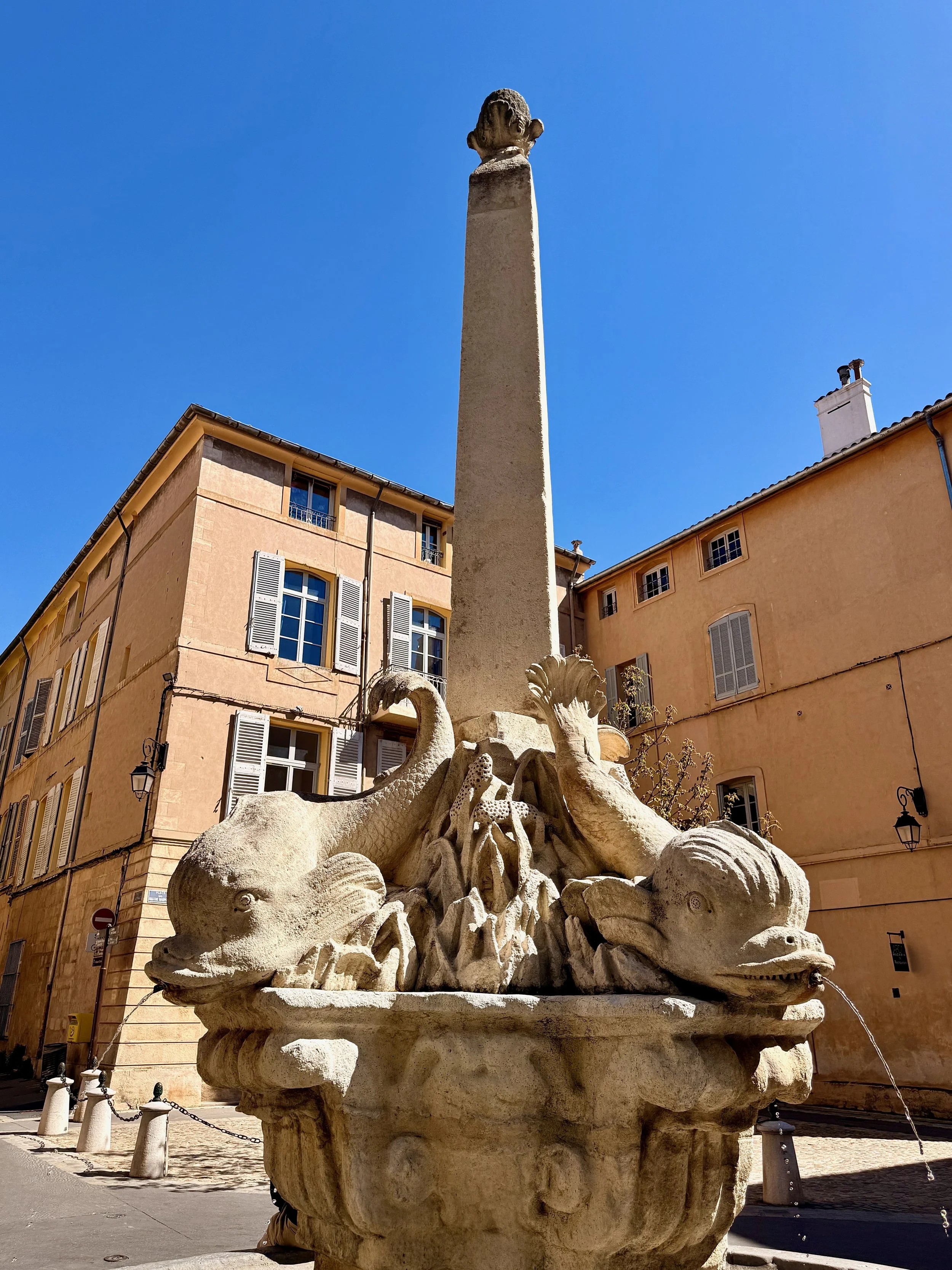
Image: Place des Quatre-Dauphins, Aix-en-Provence. © 2026 Palates & Miles
Who this is for
This Edit will work for those who want to visit a Provençal city where culture, history and dining are all combined into one experience, without the need for a fast pace or over-thinking before arrival.
It will reward those who want to book one or two experiences and leave the rest of the plan free for exploring the best of what the city has to offer.
If you are looking to plan your stay for this trip, read our Edit which reviews Château de la Gaude, located about 4 miles north of the city centre.
The standard
Every recommendation below earns its place on the same five points: service, design, food and drink, atmosphere and value. Value is not about cheap or expensive. It is whether the experience earns the price paid.
Day one | the historic centre
The first day in Aix-en-Provence is best explored by starting early in the morning. Beginning at Place Bellegarde, walk down Rue Mignet towards Place des Prêcheurs which, on Tuesdays, Thursdays and Saturdays, houses a market in the mornings where some of the finest fresh produce from the region can be found. What is wonderful about this market is that locals frequent it as part of their weekly routine, providing visitors with insight into the famous Provençal lifestyle.
From Place des Prêcheurs, head west along Rue Peyresc, passing by the impressive Palais Verdun and Palais Monclar, which house government and administrative offices for the region. Slowly pass the unique shops on Rue Rifle Rafle and Rue Chabrier before arriving at Place Richelme market, which is open daily until around lunchtime. This market is more varied, with a wider selection of produce, clothing and antiques on display. This market can tend to be a little busier, so the earlier the visit, the better.
P&M tip: The café culture around Place Richelme is one of its finest assets and if you are looking for an appropriate morning pâtisserie stop, Maison Weibel is an excellent option.
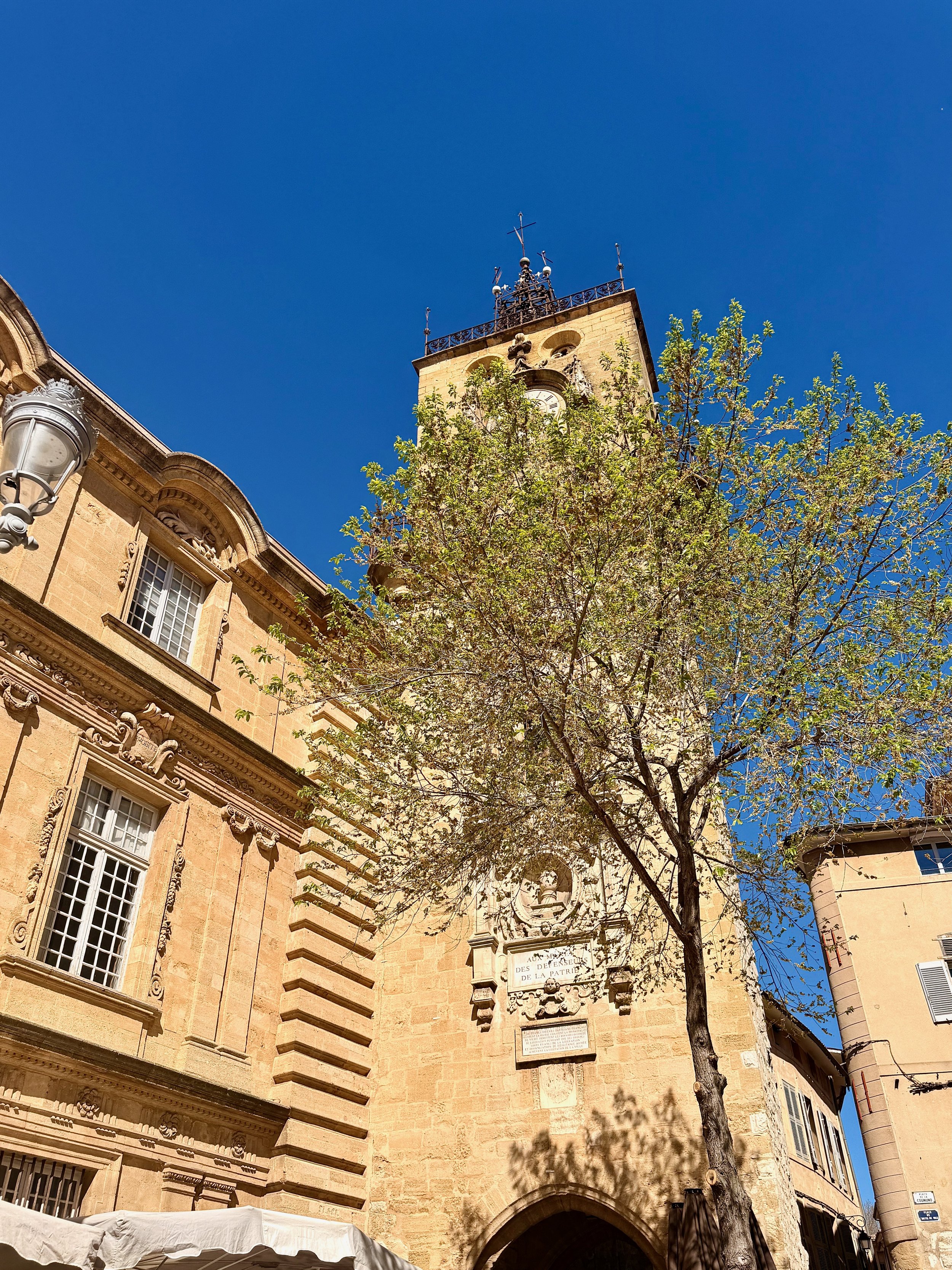
Image: Hôtel de Ville exterior in Aix-en-Provence. © 2026 Palates & Miles
To the north of the main market area at Place Richelme is the Hôtel de Ville, or town hall, which is a must-see monument before moving on. No visit to a Provençal town is complete without purchasing lavender and herbs, and Rue Gaston de Saporta is the place to be. Here, multiple lavender, soap and Provençal shops are located. At the northern end of Rue Gaston de Saporta sits the historic Paroisse Cathédrale Saint-Sauveur, whose origins date back to the 5th century. The interior architecture is something to marvel at, considering it has three distinctive naves, combining three distinctive periods: Romanesque, Gothic and Baroque.
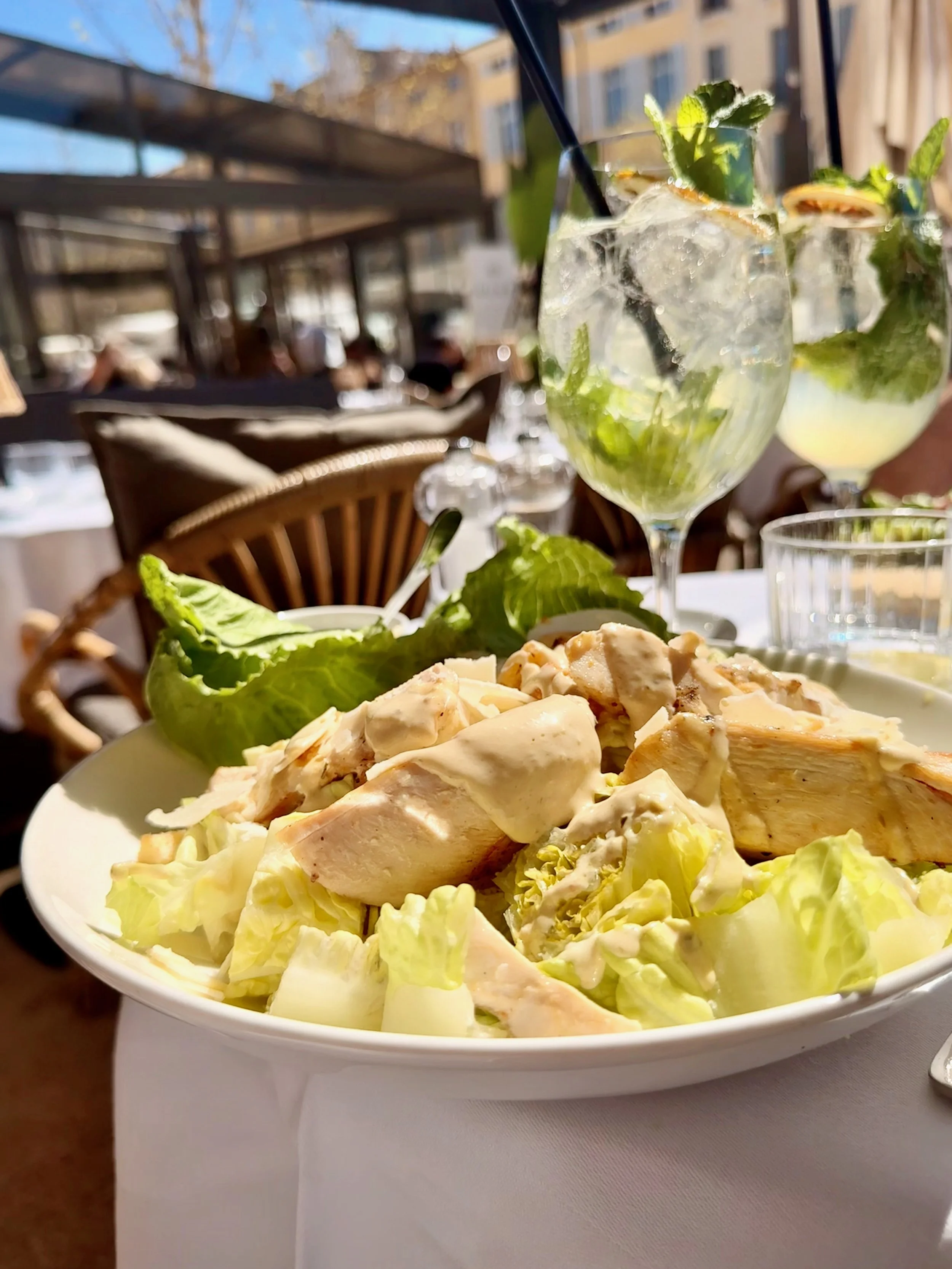
Image: Dining at Restaurant Le Mirabeau. © 2026 Palates & Miles
Lunchtime will approach quicker than you may imagine, especially after a morning exploring the historic centre. The best place to head around lunch hour is Cours Mirabeau, the widest boulevard in the city where many shops, restaurants and cafés are located. The culinary highlights on the boulevard include Les Deux Garçons, which was founded in 1792 and serves traditional French cuisine. However, for those who prefer a lighter lunchtime offering, other options include Restaurant Le Mirabeau, where lighter dishes are available and a terrace looking onto the boulevard offers diners the opportunity to enjoy the goings-on of the street.
The latter part of the afternoon should then be left open for exploring the streets at leisure. Cours Mirabeau and the surrounding streets offer some of the better-known brands and fashion houses for considered shoppong. Rue Espariat, to the north of Cours Mirabeau, combines shopping with further historical sites and fountains such as Place d’Albertas. A stop by the Boutique Aroma-Zone, located in the historic Hôtel particulier Boyer d’Éguilles, is not to be missed, even if just to view the impressive collection of beauty products for sale and the workshops housed within.
Day two | off the beaten track & gallery visits
The second day should be centred around pre-planned experiences in some of Aix-en-Provence’s most famed cultural institutions. The day should start at the Fontaine de la Rotonde to the west of Cours Mirabeau. This is a convenient starting point, as it is located near the main train station and is well served by local bus routes.
Instead of repeating the route of the day before, move west towards the Grand Théâtre de Provence, with its impressive architecture is a cultural hub for the arts in Provence. Each spring, the theatre and the adjacent Conservatoire Darius Milhaud host performances and concerts for the renowned Festival de Pâques, or Easter Festival. Even if no performances are planned during your visit, its architecture is worth the visit alone.
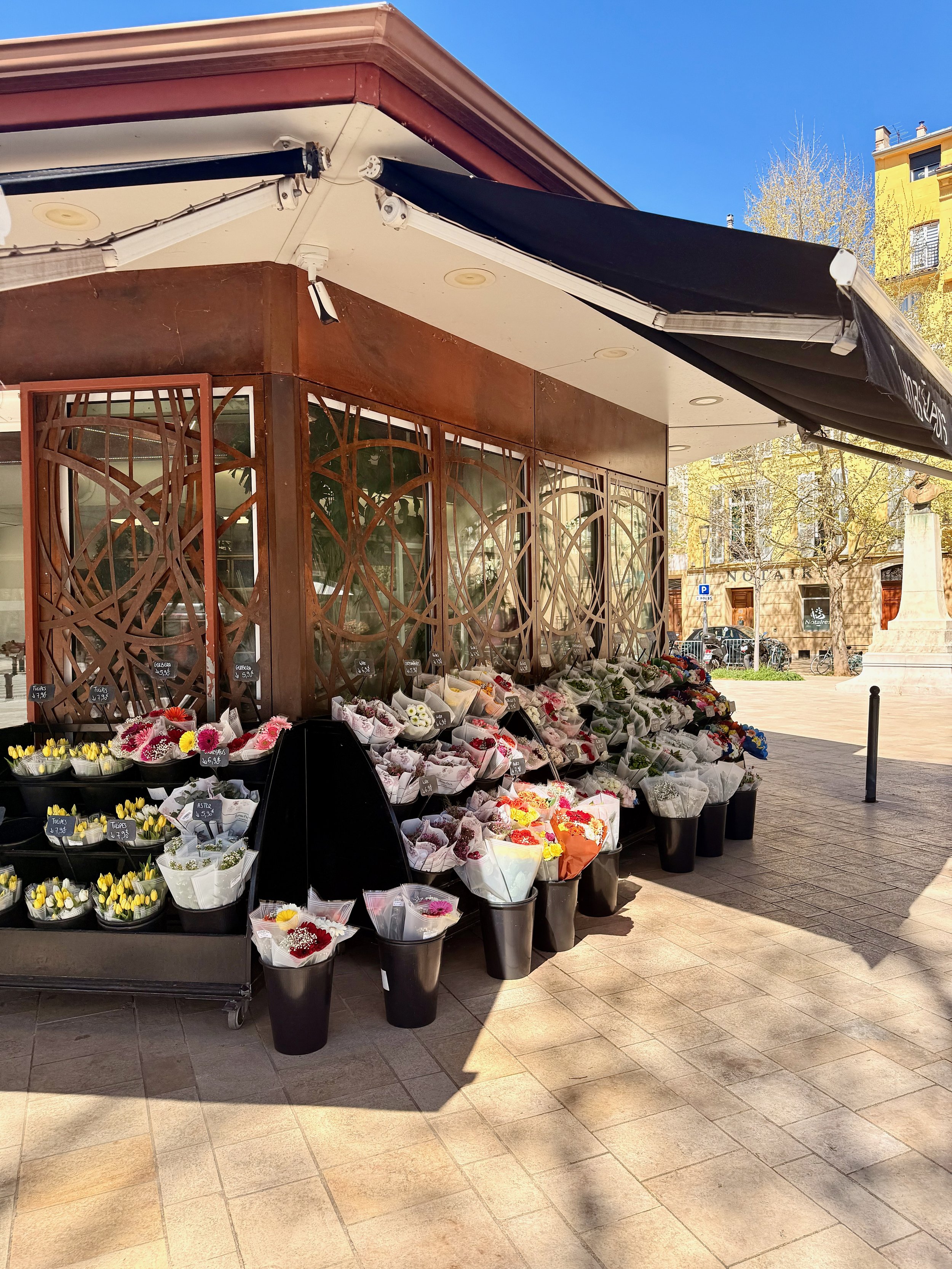
Image: Dumas Fleurs at La Rotonde. © 2026 Palates & Miles
Next, make your way back towards La Rotonde where you will find the Carrousel Paul Cézanne, alongside shops and cafés that both locals and tourists mill around. For a coffee or light lunch, La Rotonde Restaurant offers an experience similar to any Parisian bistro, with large outdoor terraces overlooking the fountain and surrounding streets. The local shops offer a strong sense of the region, which helps to accentuate the local heritage and culture of the city.
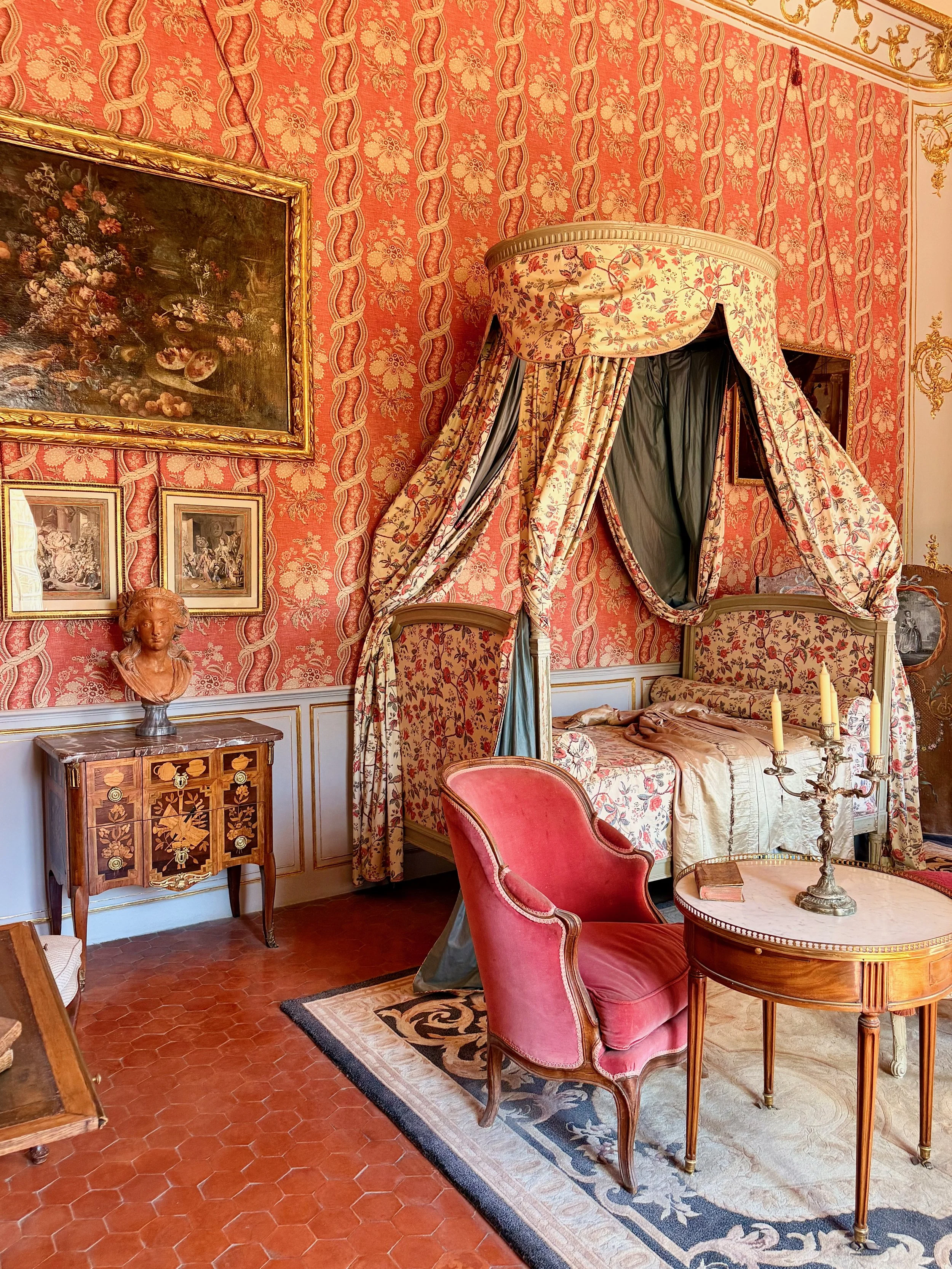
Image: Pauline’s Bedroom at Hôtel de Caumont. © 2026 Palates & Miles
Following a refuelling break, move back along the Cours Mirabeau towards the Mazarin district where the famous 18th-century Hôtel de Caumont Centre d’Art is located. Here, you will be introduced to the life of the mansion’s previous inhabitants, including Pauline de Caumont, who left her mark on the property. The life of Paul Cézanne is also often celebrated in exhibitions within the property. Be sure to visit the gardens while there, as they offer a truly tranquil escape from the metropolitan pace beyond its walls.
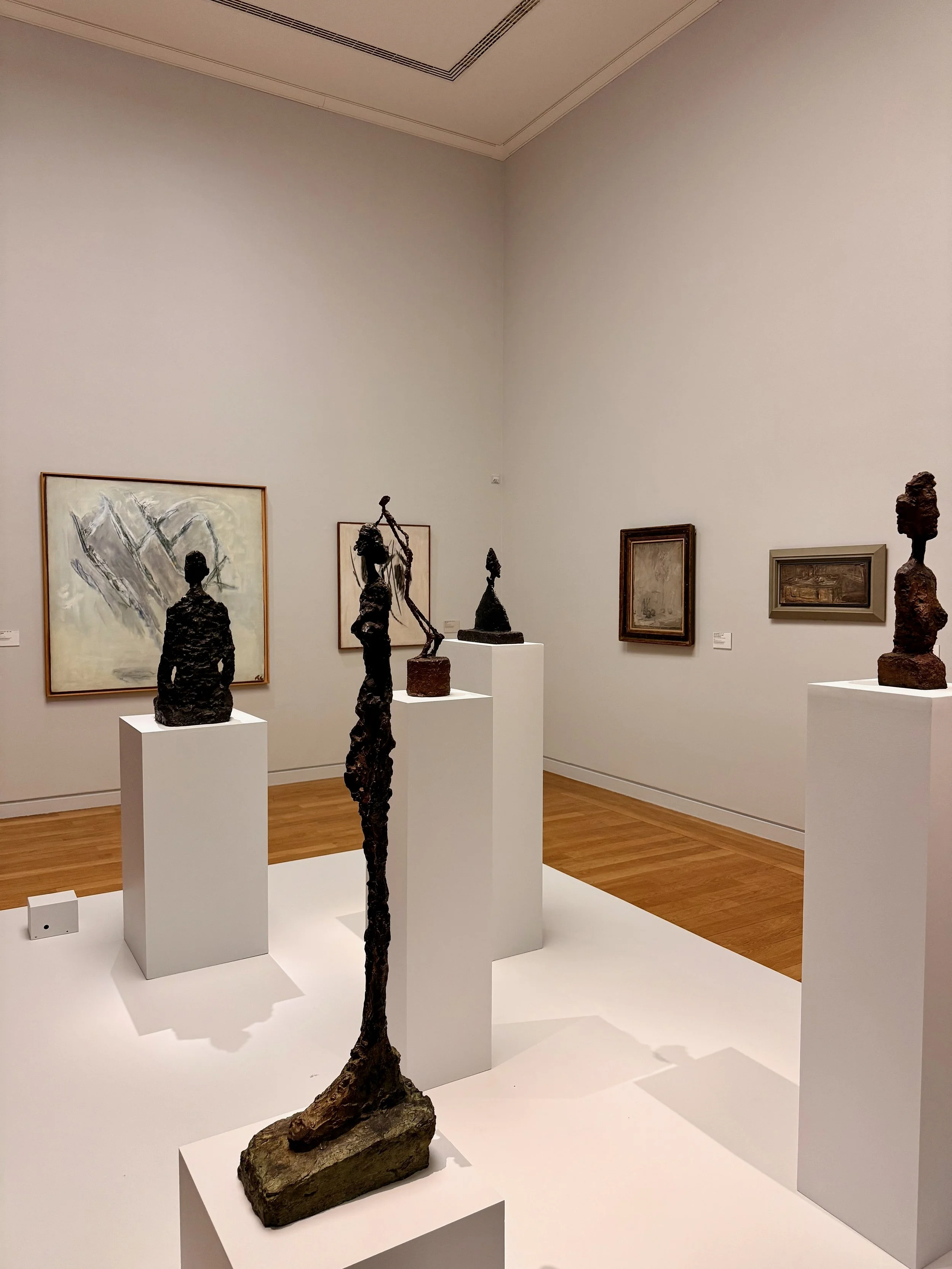
Image: Sculptures and paintings at Musée Granet. © 2026 Palates & Miles
Within close proximity is one of the most famous fountains in the city, located at Place des Quatre-Dauphins, otherwise known in English as the Four Dolphins Fountain. It is very much worth the visit and acts as a midway point en route to the Musée Granet, which houses some of the finest examples of works by Cézanne and other masters of European painting. First opened in 1838, it is housed within the former Priory of the Knights of Malta and also brings together prized works by Picasso, Rembrandt and Ingres.
Both of these cultural sites should be experienced over the course of an afternoon to ensure ample time to enjoy them properly. Should time permit, the nearby Rue d’Italie offers some excellent shopping opportunities. Rather aptly, items such as truffles at Signorini Tartufi and calissons from Brémond, which are a necessity when in Aix, can be found.
Together, this forms a well-rounded second day away from the hustle and bustle of the historic centre.
How to structure the visit
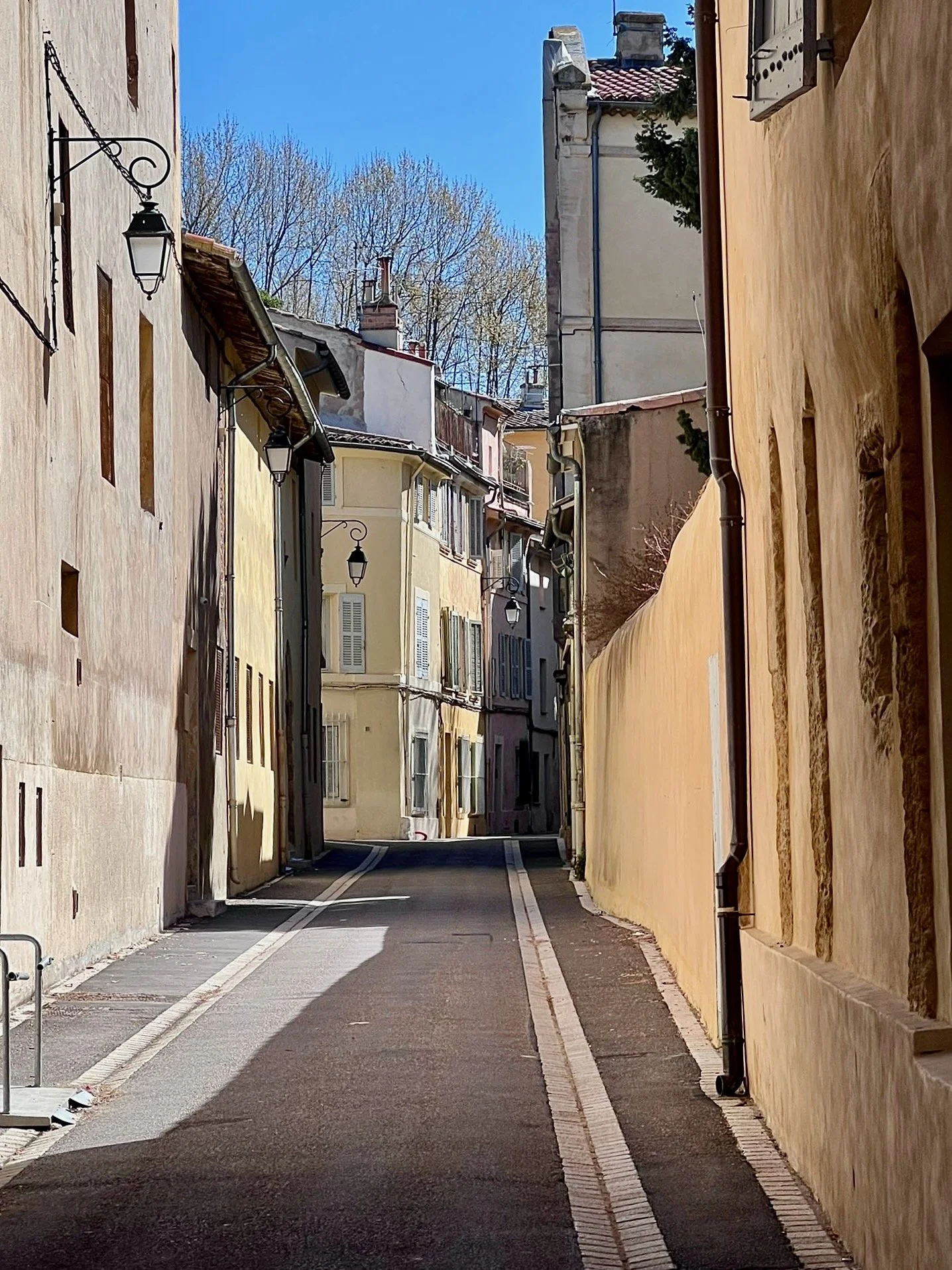
Image: Empty street in Aix-en-Provence. © 2026 Palates & Miles
Aix-en-Provence over two days can be overwhelming if over-planned. Therefore, it is best explored with one to two pre-planned activities. Whilst the city is small, it has many streets and areas that overlap, which can become confusing, therefore using the first day to explore and calibrate, is important. This is particularly useful as you may find streets, shops or cafés that you wish to return to and explore further later.
The second day is best spent visiting the famed galleries and houses, which will make your previous day’s exploring make more sense.
Practical notes before you book
Whilst none of the activities, galleries and spaces feature need to be booked in advance, it is important that you research opening hours and availability beforehand to avoid disappointment. Certain exhibitions and rooms may not be open at certain times of the year, so always consider and check this in advance.
The weather in Aix-en-Provence in spring can be changeable and evenings can be chillier than during the day, therefore travelling with appropriate clothing is a must to ensure comfort and practicality. Whilst Aix is a relatively flat city, many streets are cobbled and can be uneven, so packing comfortable shoes for walking is highly recommended.
Restaurant reservations, especially at peak times, are recommended, however most cafés and bistros do welcome walk-ins, which is very much enshrined in the culture of the city. Researching in advance will inform whether pre-booking is important and should not be left to chance.
P&M tip: Having a rough idea of a start and end location for each day is very helpful when planning your day, route and timings. Using key transport routes as indicators is important if you are staying outside of the city centre, while using landmarks and fountains as reference points if staying centrally, can be very useful.
Final Thoughts
Whilst many talk of Marseille when planning a visit to this western part of Provence, Aix-en-Provence is increasingly becoming the most sought-after destination to visit, either as a stand-alone trip or as part of a wider regional itinerary.
The vibrancy of the city is intertwined with its traditional Provençal culture and should be embraced for not only highlighting the city’s history, but also celebrating its present and future.
When explored at the visitor’s own pace, it becomes more than just a two-day trip, but a destination worth visiting time and time again.
P&M note
For those shaping a wider Provence or Riviera trip, our edit on London to the South of France, Considered offers a more structured approach to reaching the region.
To receive future Edits, releases and notes from Palates & Miles, you can sign up to our mailing list here.