An Afternoon in Venice | St Mark’s to Rialto
Venice is a unique city that requires a slower approach to fully appreciate everything it has to offer. Otherwise, it can quickly become overwhelming if too much is attempted at once during a short visit. For those with only one afternoon to experience the city, the best approach is not to overplan, instead it’s to set a route that allows the city to reveal itself away from the crowds. The focus should therefore be for the setting, architecture, water and atmosphere to do most of the work.
This Edit follows an afternoon route through Venice beginning in St Mark’s Square, before moving towards Campo San Moisè, a gondola ride, the quieter streets around Frezzeria and Calle del Teatro o de la Commedia, San Salvador Church, the Rialto Bridge and Riva del Carbon, before returning towards St Mark’s for a late lunch or aperitivo at Caffè Florian.
The route is not designed around going inside St Mark’s Basilica or the Doge’s Palace, although both are part of the wider setting. Instead, it is intended for those who want to take in Venice within a shorter window, without turning the afternoon into a box ticking exercise.
Who this Edit is for
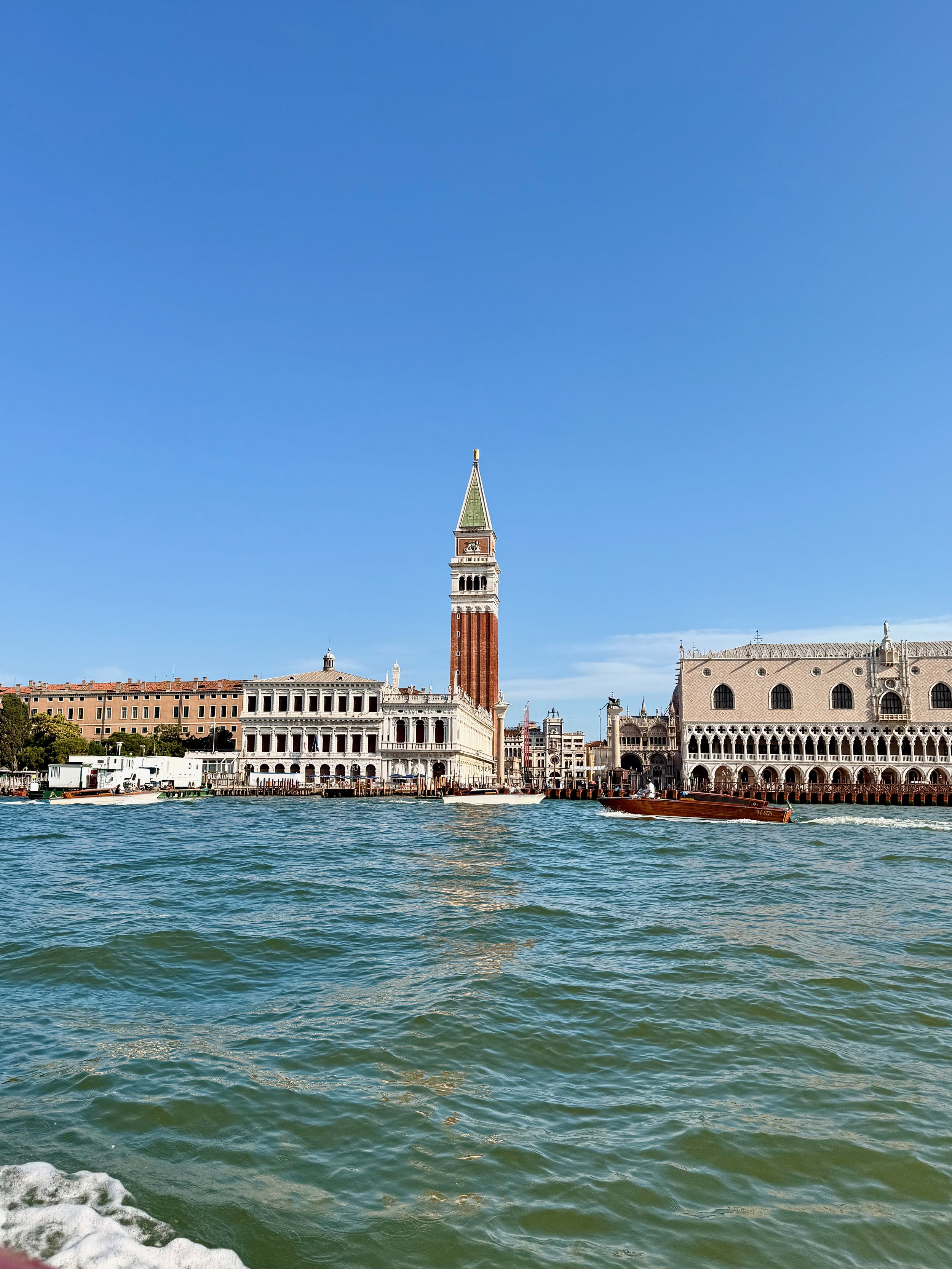
Image: San Marco seen from the lagoon. © 2026 Palates & Miles.
This Edit is for those visiting Venice with limited time and wanting a structured afternoon that is manageable and enjoyable. It is particularly useful if you are arriving from a hotel nearby, visiting as part of a cruise itinerary or simply want a shorter introduction to the city on day one.
The route works best for those who want scenery, atmosphere, walking, a gondola experience and one classic Venetian stop without committing the whole afternoon to museums or queues. It is also suitable for those who have been to Venice before and want a simple way to reconnect with the city at leisure.
The standard
Every recommendation in this Edit is assessed against the same five points: service, design, food and drink, atmosphere and value. Value is not about cheap or expensive. It is whether the experience earns the time and price invested.
Start at St Mark’s Square
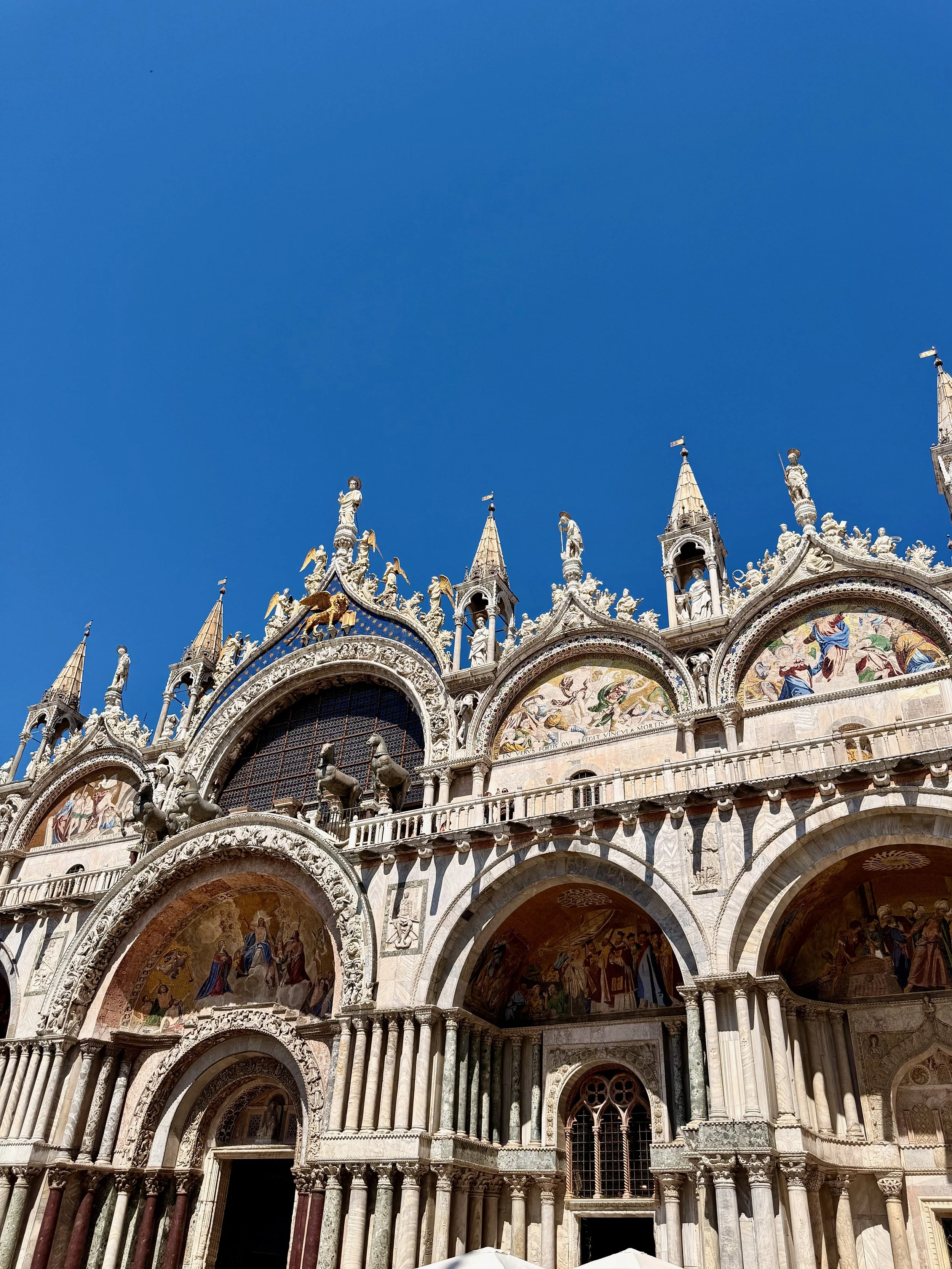
Image: Basilica di San Marco. © 2026 Palates & Miles
Most afternoons in Venice begin in St Mark’s Square. It remains the obvious place to start, but that does not make it any less worthwhile. Venice has many quieter corners, however St Mark’s Square is where the tourist energy of the city is most concentrated. It can be busy, especially with group tours and queues for entry to key sites.
Rather than rushing through it, spend time taking in the full setting, ideally from a quieter corner or spot away from the busiest parts. The Basilica di San Marco, the Doge’s Palace, the Campanile and the surrounding arcades all work together to create one of the most recognisable views in Europe. Even without going inside the cathedral or palace, the square offers enough atmosphere and visual interest to justify starting here.
The key is to move at your own pace and not feel the pressure to follow the crowds. Starting in the earlier part of the afternoon will make this easier, particularly if you wish to begin by the waterfront and take in the view across the lagoon towards San Giorgio Maggiore.
P&M note: This route does not include entry into St Mark’s Basilica or the Doge’s Palace. If either is a priority, it should be treated as a separate plan with pre-booked tickets and more time allowed.
Campo San Moisè and gondola ride
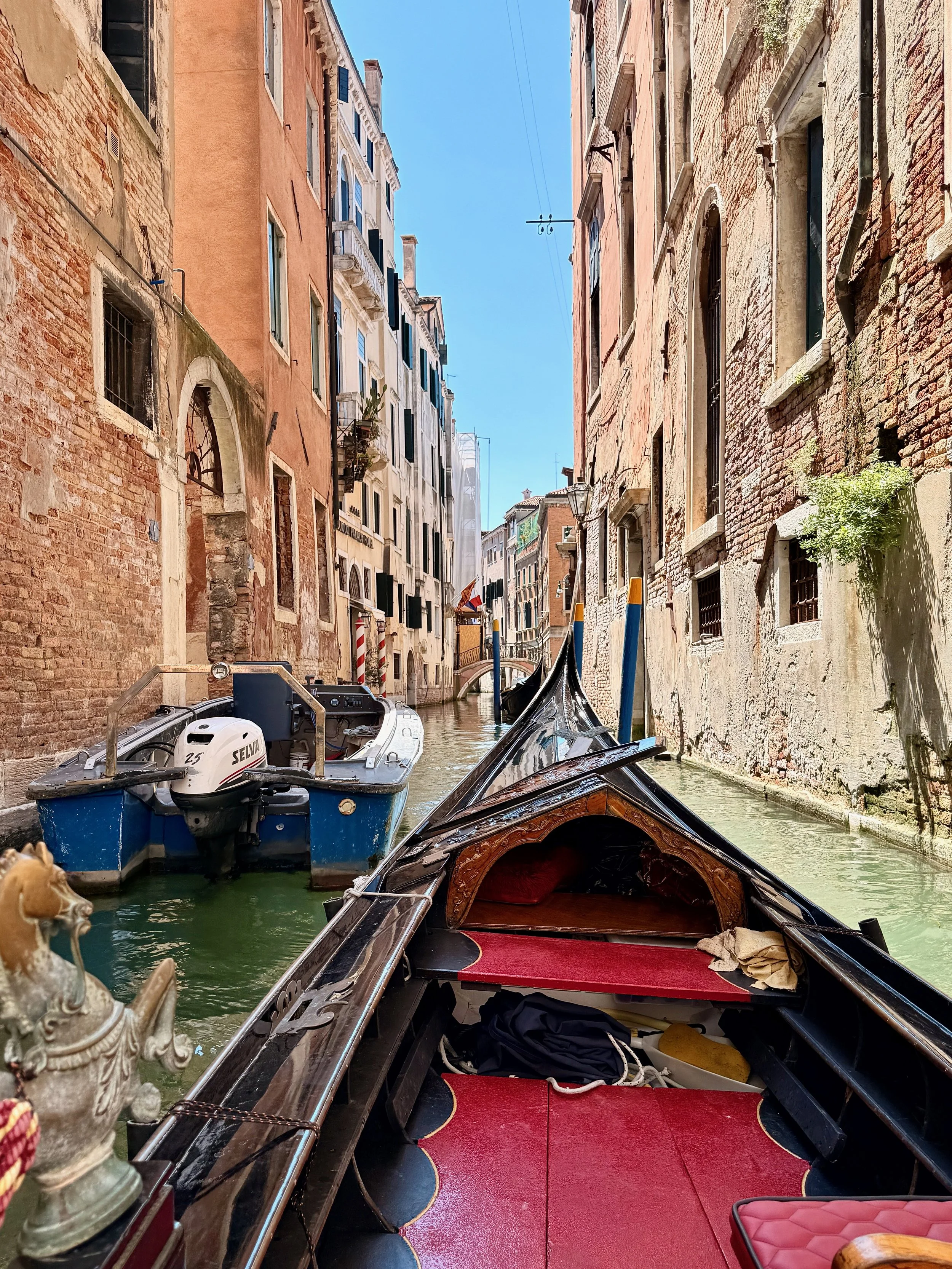
Image: Gondola ride along the canals of San Marco
From St Mark’s Square, continue towards Campo San Moisè. There is an immediate shift from the grandeur of the square as the streets begin to narrow. This is, however, where you will find many of the designer shops and boutiques.
Campo San Moisè is also a practical point from which to find a gondola ride. For many visitors, a gondola can feel overly obvious, but it still has a place when used as a pause within an itinerary. The experience is never a long one and, depending on the route you agree with your gondolier, will likely take between twenty and thirty minutes.
A gondola ride from this area allows you to explore the narrow canals around San Marco, passing close to Teatro La Fenice before entering the Grand Canal on the return. It is not about distance covered or seeing everything, but about seeing the city from the water and understanding how its streets, buildings and canals work together, both historically and now.
P&M tip: Agree the route, price and duration before getting into the gondola. The experience is better when this is agreed before boarding and avoids any unnecessary discussion once you are on your way. Many gondoliers do not take card payment, so ensure you have sufficient cash available.
Exploring the streets of San Marco
After the gondola ride, continue on foot through the streets towards Frezzeria and Calle del Teatro o de la Commedia. Venice is not a city where every turn needs to be justified by a landmark. Some of the strongest moments are experienced in the streets themselves.
This section of the route provides an opportunity to explore the unique shopfronts, small bridges and eateries of the city. The streets can be busy, especially when groups are also on the route, but there are plenty of places to stop and explore what is on offer.
This is where Venice begins to feel like more than just the landmarks every visitor knows and hears about before arriving. The best approach is to keep the basic route in mind, but not be afraid to deviate if something catches your eye or you want to explore off the beaten track.
San Salvador Church
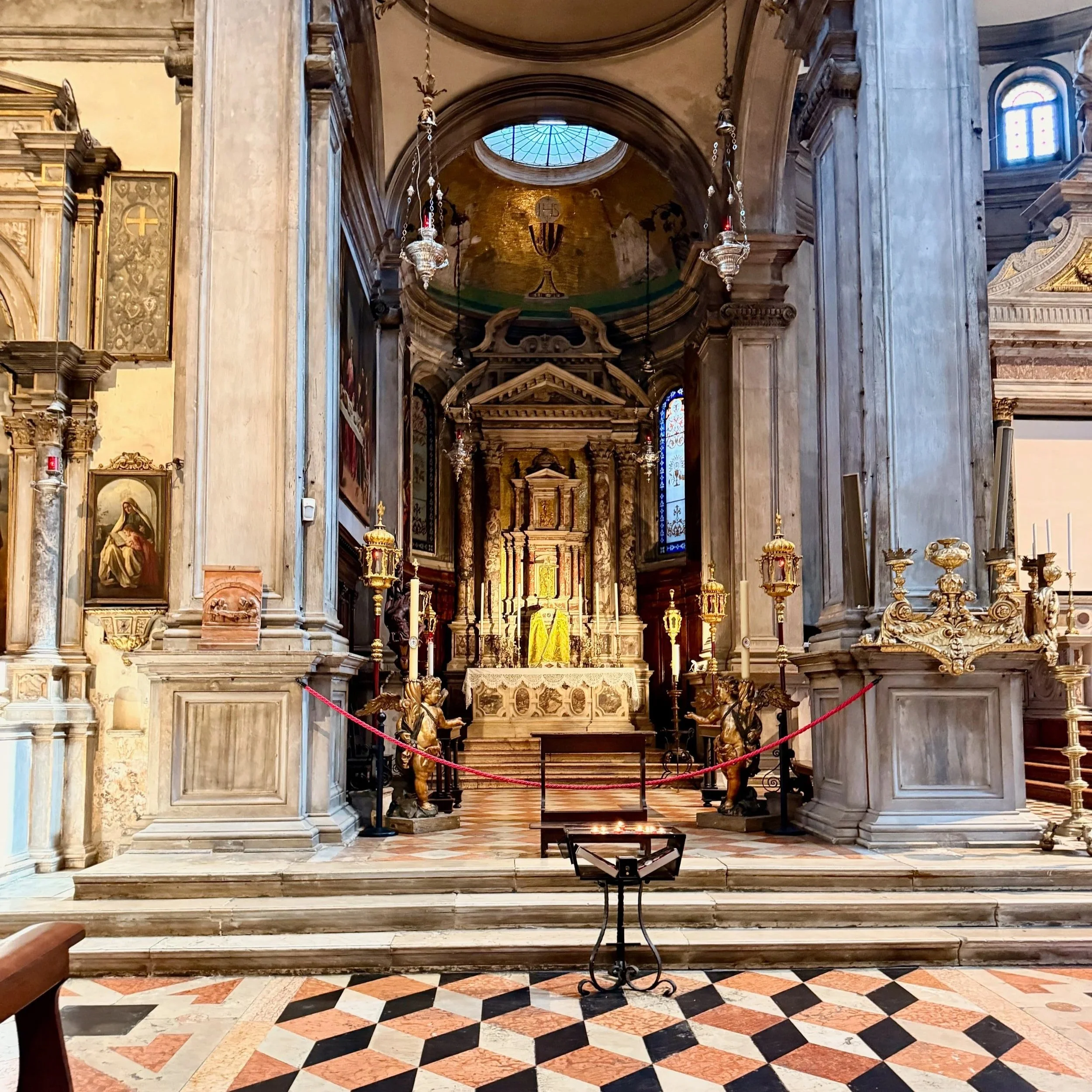
Image: San Salvador Church, Venice. © 2026 Palates & Miles
The walk then continues towards San Salvador Church. Positioned not far from Rialto, it is the perfect landmark for a moment of reflection and pause on the route. The church is impressive from both the exterior and interior and creates a moment of stillness before moving towards one of the busiest and most photographed parts of Venice.
Depending on timings and opening hours, this can either be a brief exterior pause or a short visit inside. Either way, it helps break the walk and gives an opportunity to explore the historic grandeur of some of the Venetian churches.
Rialto Bridge and the Grand Canal
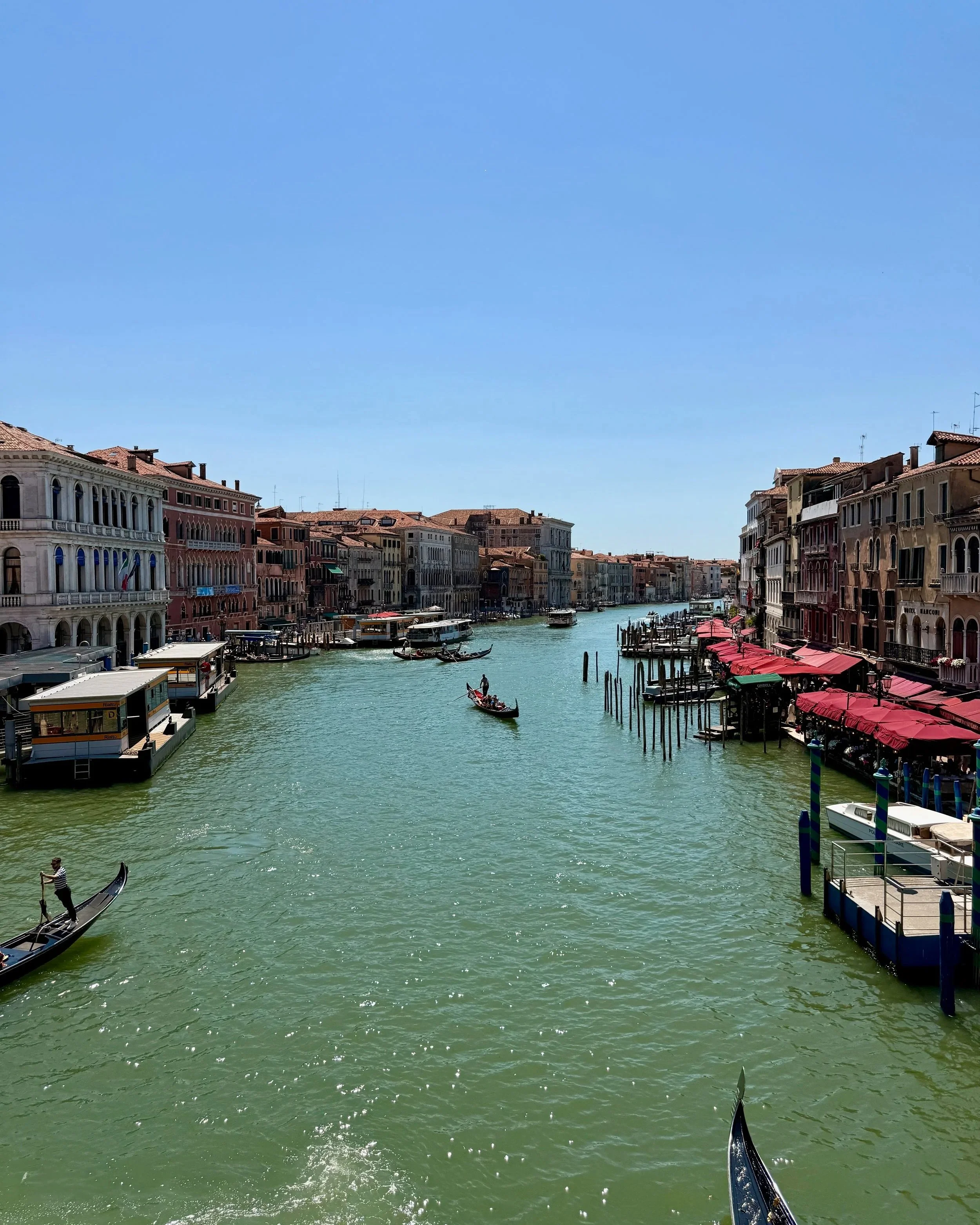
Image: Grand Canal view from Rialto Bridge. © 2026 Palates & Miles
The Rialto Bridge is one of the busiest points in Venice and it is difficult to find a point in the day when it is not full of visitors attempting to view and photograph it. The view from the bridge is, however, a reason to persevere and include it.
Rather than treating Rialto as a quick photo stop, take a little time both on and off the bridge to absorb the views and its architecture. It is remarkable to consider how this bridge was constructed and the role it played in the city’s historic trade.
There is no doubt that the crowds can be frustrating, but you can spend as little or as long as you like there. This is also a good point in the afternoon to reassess the plan and decide how much time to give the rest of the route.
After taking in the views from Rialto Bridge, continue along Riva del Carbon. From here, you can look back towards the bridge for a fuller view and perspective. The Grand Canal, however, should be the main purpose of this part of the route.
Walking away from Rialto allows for quieter streets, while the movement of boats on the Grand Canal takes centre stage and becomes a welcome distraction from the busier streets behind.
Return towards St Mark’s via Fondamenta Orseolo
From Riva del Carbon, return towards St Mark’s Square via Fondamenta Orseolo. This is a little off the beaten track, but the view of the Bacino Orseolo is worth the diversion. The streets here can be on the narrow side, so do not expect to move quickly on your way back to St Mark’s Square.
P&M tip: If you did not manage to take a gondola ride at Campo San Moisè, this is an alternative location from which to start the journey.
Late lunch or aperitivo at Caffè Florian
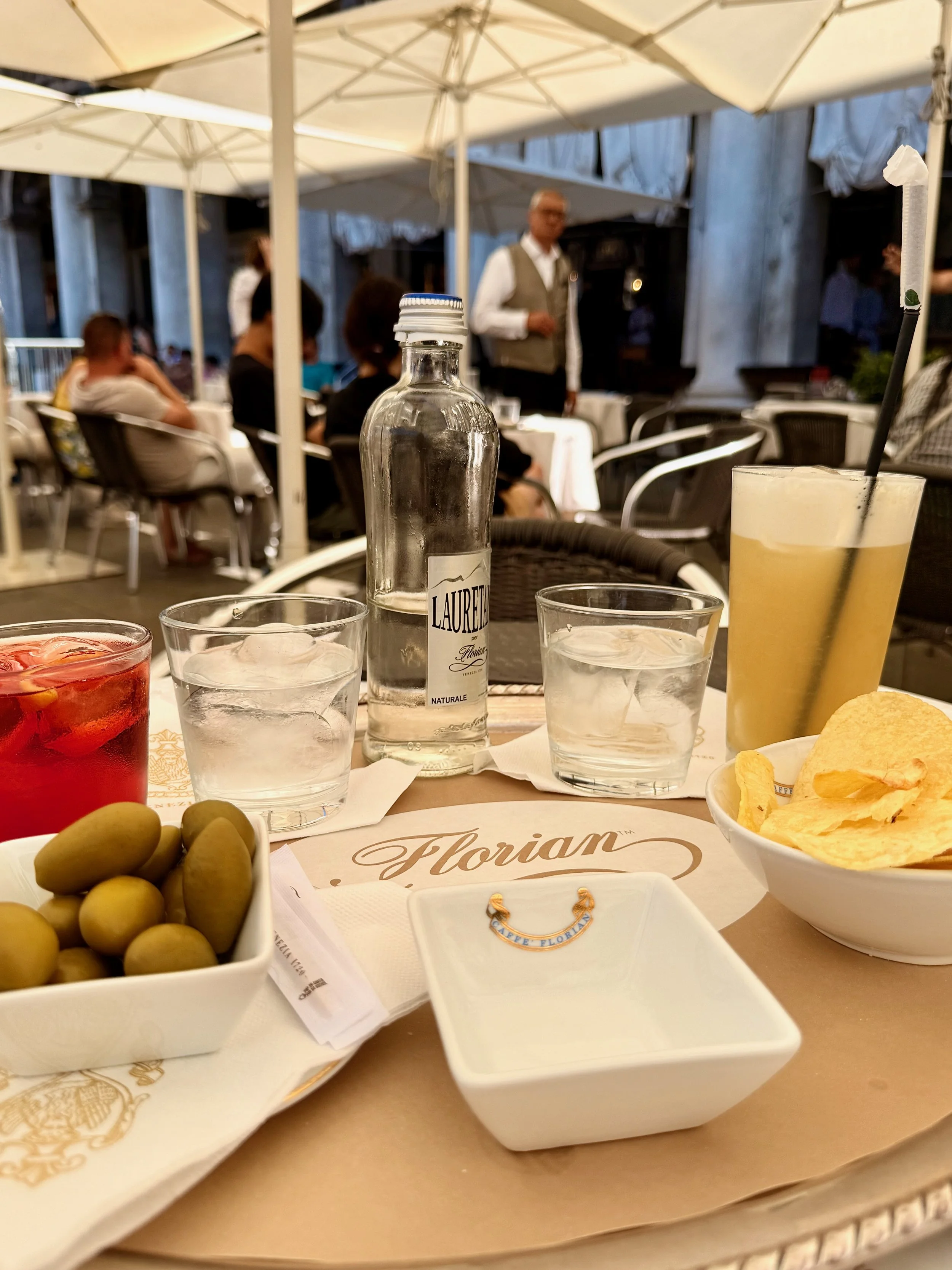
Image: Aperitvo at Caffè Florian. © 2026 Palates & Miles
The final stop should be Caffè Florian, not just for the name or location, but for the atmosphere that it brings. Located directly on St Mark’s Square, it is one of Venice’s classic experiences and serves as a natural close to an afternoon spent exploring the best of the city.
This is not the place for a cheap or quick lunch. Here, you are investing in the atmosphere as much as the food and drink. It is a setting-led experience where the value comes from the history, service and ability to sit within St Mark’s Square. For a late lunch or aperitivo, it comes alive especially if live music is being performed.
The service here is usually quick and to the point. It is a large café, so this should be appreciated before attending. The food and drink offering is classic and a spritz with a light snack may also be preferred. A coffee and pastry or cake is an appropriate alternative too.
P&M note: Check the menu before taking a seat to ensure you are comfortable with the prices. There is an additional charge to sit outside when live music is being performed, so this should be considered ahead of time.
How to plan the afternoon
There should be no illusion that this is an itinerary that requires a reasonable degree of activity. If being followed in the summer heat, adequate breaks and hydration should be built in at regular intervals.
This itinerary works best spread across three to four hours, depending on how long is spent at each location, the gondola timings and how long is spent enjoying Caffè Florian. If you are visiting Venice for longer than a day, the route can also be split across two days. Starting earlier in the morning, especially around St Mark’s Square, can help avoid the worst of the crowds.
Start in the early or mid-afternoon if planning to finish with a late lunch or aperitivo. Comfortable shoes are essential, as the route includes uneven paving, bridges and busy areas. Venice can also become congested quickly around St Mark’s and Rialto, so it is worth accepting that some parts of the route will be busy and that patience will be required.
The itinerary intentionally avoids ticketed attractions and long queues, which can be kept for another occasion. Should more time become available, St Mark’s Basilica, the Doge’s Palace or a longer walk across the Grand Canal could be added separately, as each requires a number of hours to be explored properly.
P&M notes
• Do not overpack the afternoon. This itinerary is adequate and any more than this risks fatigue.
• A gondola ride is an additional activity with obvious costs. If you do not believe you will benefit from the experience, it could be replaced with a stop at a canal-side café or bar.
• St Mark’s Square and Rialto will be busy, but both are worth including if it is a first or short visit.
• Caffè Florian works best when approached as a highlight rather than as a place to stop and grab a quick refreshment.
• Keep the itinerary flexible. There may be other sights or stops you wish to make along the way.
Final thoughts
An afternoon in Venice does not need to include every major attraction to make it worthwhile. In fact, the city often feels more alive when you explore slightly off the beaten track, where atmosphere is created away from the noise and crowds.
Starting in St Mark’s Square, moving towards Campo San Moisè for a gondola ride, walking through the quieter streets towards San Salvador, crossing Rialto and returning for Caffè Florian creates a route that gives a clear sense of what Venice is best known for: atmosphere.
For those with limited time, it can be used as a base and amended as required.
To receive future Edits, releases and Notes from Palates & Miles, you can sign up here.