Heathrow Terminal 3 | A Considered Lounge Experience
Heathrow Terminal 3 offers one of the strongest lounge experiences anywhere across the airport. The breadth of choice is driven partly by the range of airlines and alliances operating from the terminal, but also by the expectations of the discerning passengers moving through it.
Oneworld airlines are the dominant presence in Terminal 3, while SkyTeam also has a significant footprint, largely through Virgin Atlantic and Delta Air Lines. The most notable independent airline lounge is Emirates, which on selected departures offers the added advantage of direct boarding on some flights from the lounge itself.
For this Edit, the focus is on two distinct experiences: the Centurion Lounge, operated by American Express, for its bar and overall atmosphere and the Cathay Pacific Business Class Lounge, for its calmer pace and made-to-order dining.
It is worth noting that access to both lounges comes with their own criteria and restrictions and neither operates as a traditional paid entry lounge available to all travellers on the day of departure.
Who this is for
This Edit is for those who value a pre-departure experience that feels elevated yet refined. Travellers looking for a shorter, more immediate stop may lean towards the Centurion Lounge, particularly for its bar offering and overall atmosphere, while those placing more emphasis on made-to-order dining may prefer the Cathay Pacific Business Class Lounge.
That said, the experience of each lounge is not entirely fixed. Time of day, passenger flow and seasonality can all shape which works better in the moment. Both are therefore best judged on their own merit rather than as a simple hierarchy.
The standard
Every recommendation in this Edit is assessed against the same five points: service, design, food and drink, atmosphere and value. In this case, value is not measured financially, but in time, quality and the strength of the choice available before departure.
Arrival at Heathrow Terminal 3
To be frank, the initial arrival experience at Terminal 3 is not the most impressive across Heathrow. Aside from the Virgin Atlantic Upper Class Wing, which sits separately from the main terminal, the entrances are spread across a wide area and lead towards specific check-in zones depending on airline. It is always best to check where your airline’s desks are located before arrival if you want the process to feel smooth from the outset. Most airlines operating from the terminal offer dedicated premium or business class check-in lines and, where eligible, these are worth using for ease and efficiency.
Departures and security are located upstairs on the first floor. Once check-in formalities are complete, the next step is security. Heathrow operates a Fast Track facility alongside its regular security lanes, and this does usually provide a quicker experience. Fast Track is commonly included with Business Class tickets and for passengers holding eligible airline status. If neither applies, it can also be purchased directly in advance via the Heathrow Airport website.
How to structure the visit
While there is no shortage of lounges at Heathrow Terminal 3, particularly for those travelling on a oneworld airline, the intention here is to create a balance between atmosphere and culinary quality. Both lounges can comfortably be visited before departure, provided time allows and capacity is not an issue.
Ideally, the Centurion Lounge is visited first, as it sits closer to the main shopping area, beside the Boss store, and works well as an opening stop for drinks and a reset before the flight. The Cathay Pacific Business Class Lounge is best treated as the second stop, particularly if the made-to-order food offering is part of the plan. It is located closer to Gate 11 and is accessed by lift.
Centurion Lounge
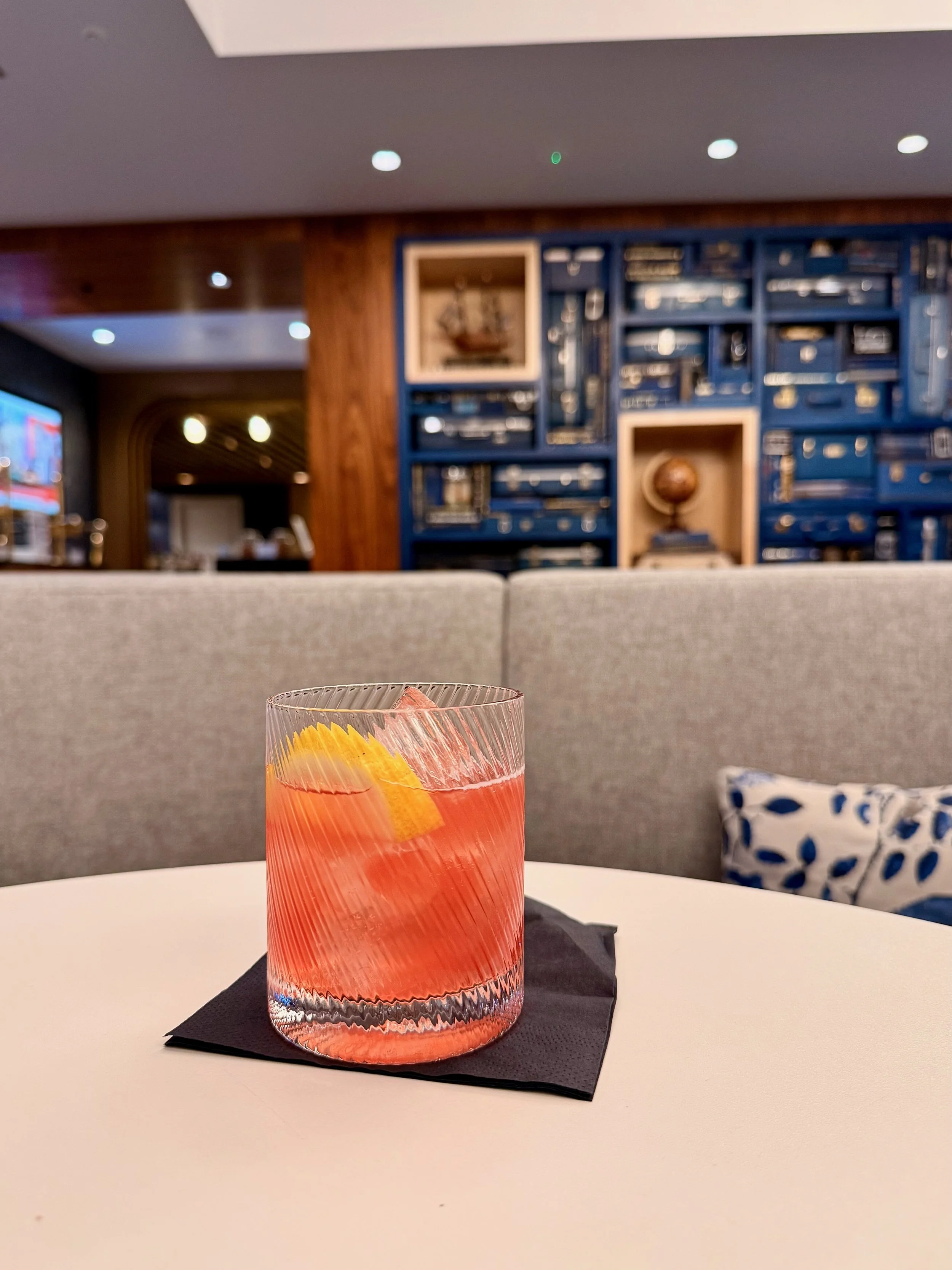
Image: Bespoke cocktail at the Centurion Lounge. © 2026 Palates & Miles
Arrival at the Centurion Lounge is via stairs or lift from the main concourse. Clear signage leads to the reception desk, where a friendly team is on hand to welcome guests. Access is reserved for Centurion and Platinum cardholders, typically with up to two guests per cardholder, though it is always worth checking the exact criteria in advance as this can vary depending on the country of card issue.
Once inside, the sleek and modern design is immediately apparent. While there is no natural light, the considered lighting and artwork create an environment that still feels warm and composed. The bar area is the clear focal point of the lounge and, for several reasons, becomes the strongest part of the experience. Here, specially created cocktails and a full range of drinks are prepared by the bartenders. It is worth noting that, aside from tea and coffee, there is no self-service drinks area. For those looking for a quieter place to sit, the second room beyond the main bar offers a calmer setting, with a mix of sofas, group seating and smaller booths.
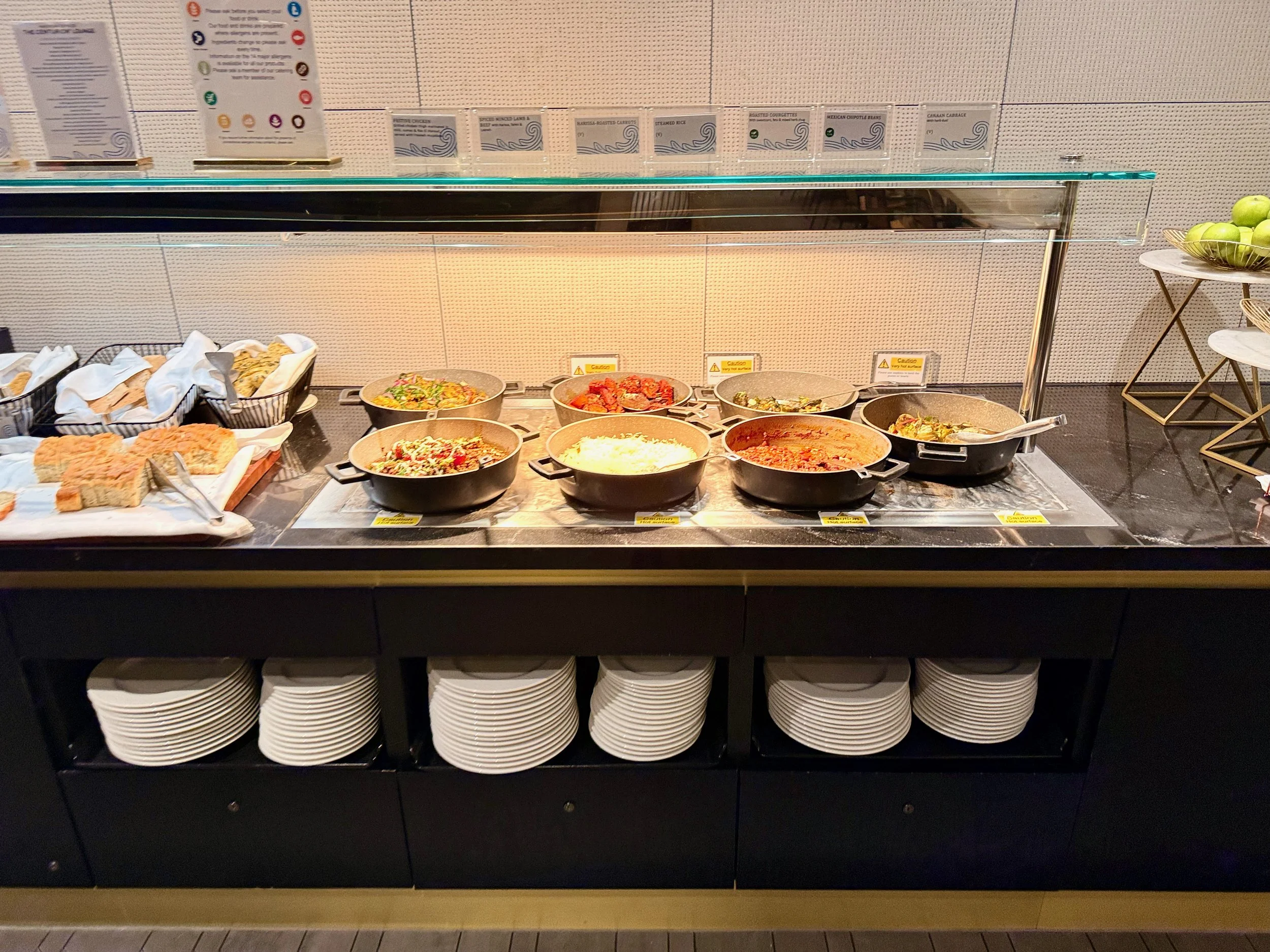
Image: Hot food buffet at Centurion Lounge. © 2026 Palates & Miles
In the early evening, a wide selection of hot and cold food was available from the buffet area to the right of the bar. Dishes such as festive chicken, harissa roasted carrots and Mexican chipotle beans featured on the hot side, while finger sandwiches, kale and freekeh salad and crispy pitta bread formed part of the cold offering. It may not be the most extensive food selection in Terminal 3, but it comfortably exceeds what is typically found in most independent airport lounges.
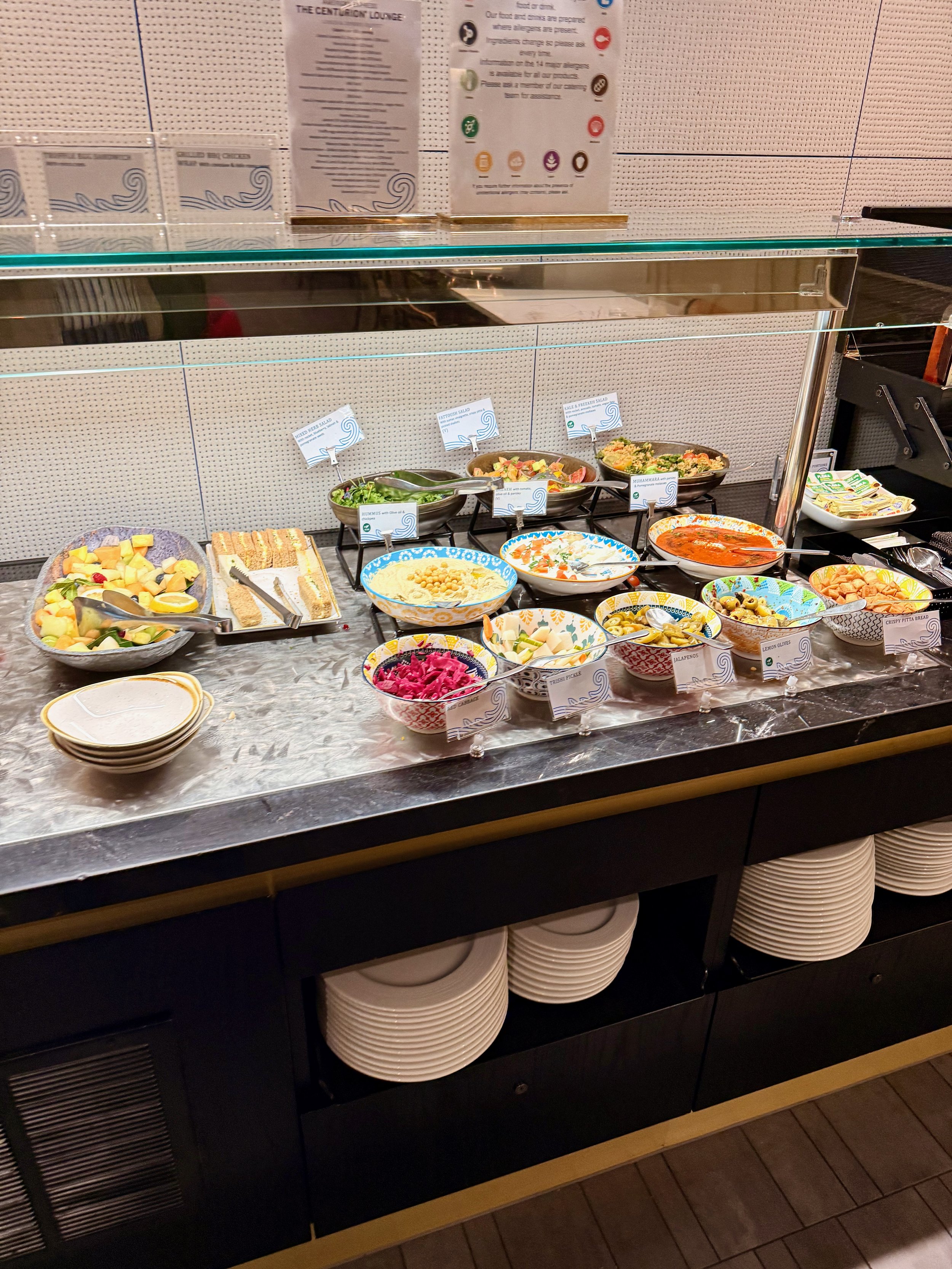
Image: Cold food buffet at Centurion Lounge. © Palates & Miles
Service in the lounge is friendly, courteous and accommodating without becoming overbearing. The bar staff are happy to explain the signature cocktail list and make recommendations where needed. Service remained quick and composed throughout, which is particularly important during the busier points of the evening. Also notable was the attention given to the buffet, with dishes replenished promptly as required.
The overall atmosphere of the Centurion Lounge is one of sophistication and practicality. Its unfussy approach makes it particularly well suited to a shorter pre-flight stop, or as an opening visit before moving on to another lounge with a stronger dining proposition. The dress code leans smart casual, which feels in keeping with the design and overall tone of the space.
Cathay Pacific Business Class Lounge
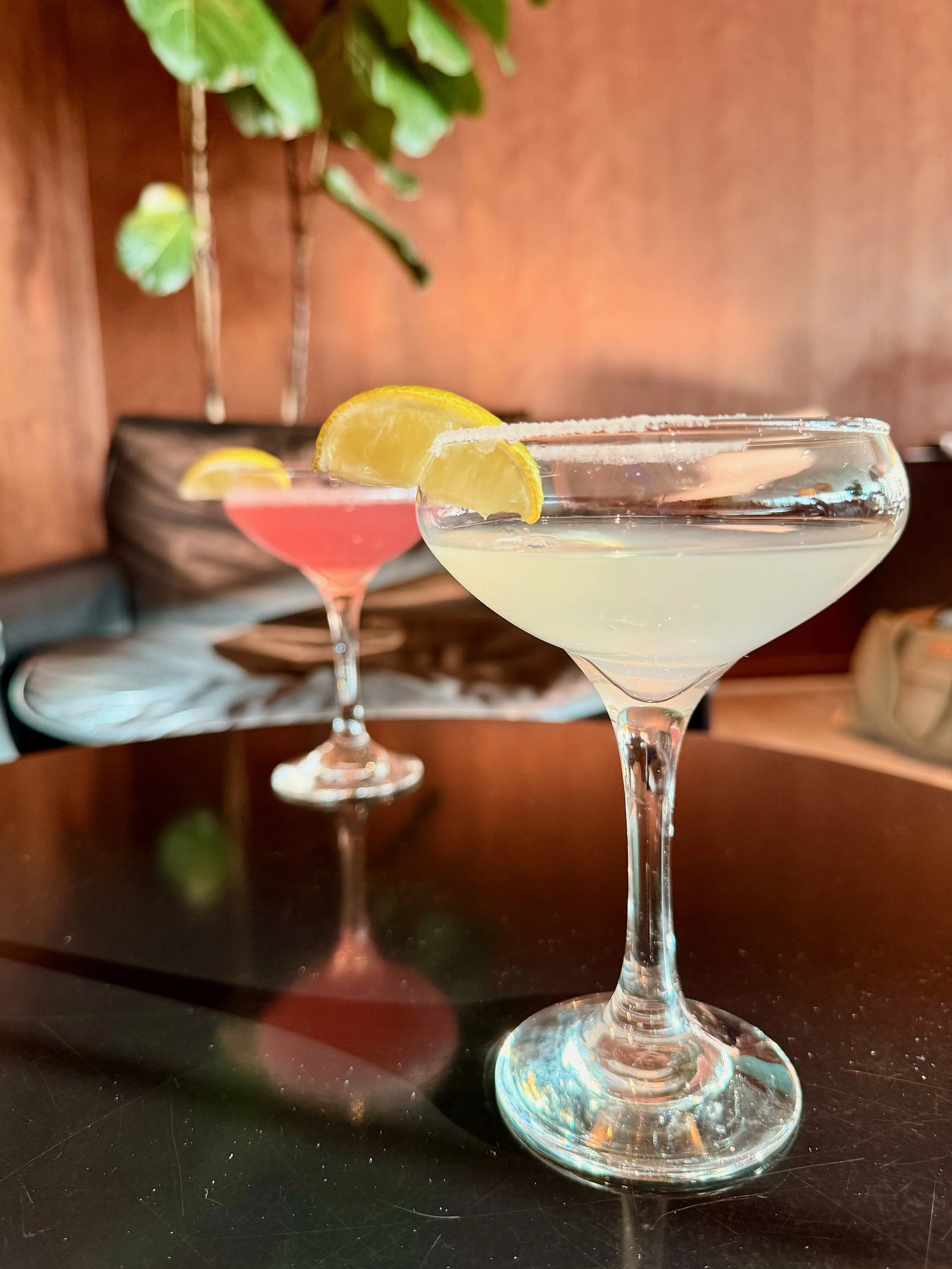
Image: Classic cocktails at the Cathay Pacific Business Class Lounge. © 2026 Palates & Miles
Finding your way to the Cathay Pacific Lounge is straightforward, particularly if coming from the Centurion Lounge or the main shopping area. The entrance sits between the Qantas Lounge and Gate 11. A lift then takes you up to the shared reception area for both the Business Class and First Class lounges. Access to the Business Class Lounge is reserved for Business Class passengers flying on a oneworld airline from Terminal 3, as well as oneworld Sapphire and Emerald members and their guests. Cathay Pacific may also permit some passengers to purchase access in advance via its website, though this should always be checked beforehand. As with all lounges, it is best to confirm the access criteria before visiting to avoid disappointment.
Once inside, the first thing that catches the eye is the large noodle bar on the right. Beyond this, generous seating and dining areas extend the full length of the lounge. Large windows overlooking the apron bring in natural light and help the space feel open and inviting, even when busy. The bar sits further towards the back of the lounge, where the seating shifts to sofas, armchairs and booths. This creates a more relaxed zone away from the main dining area and is arguably the best place to settle before a flight.
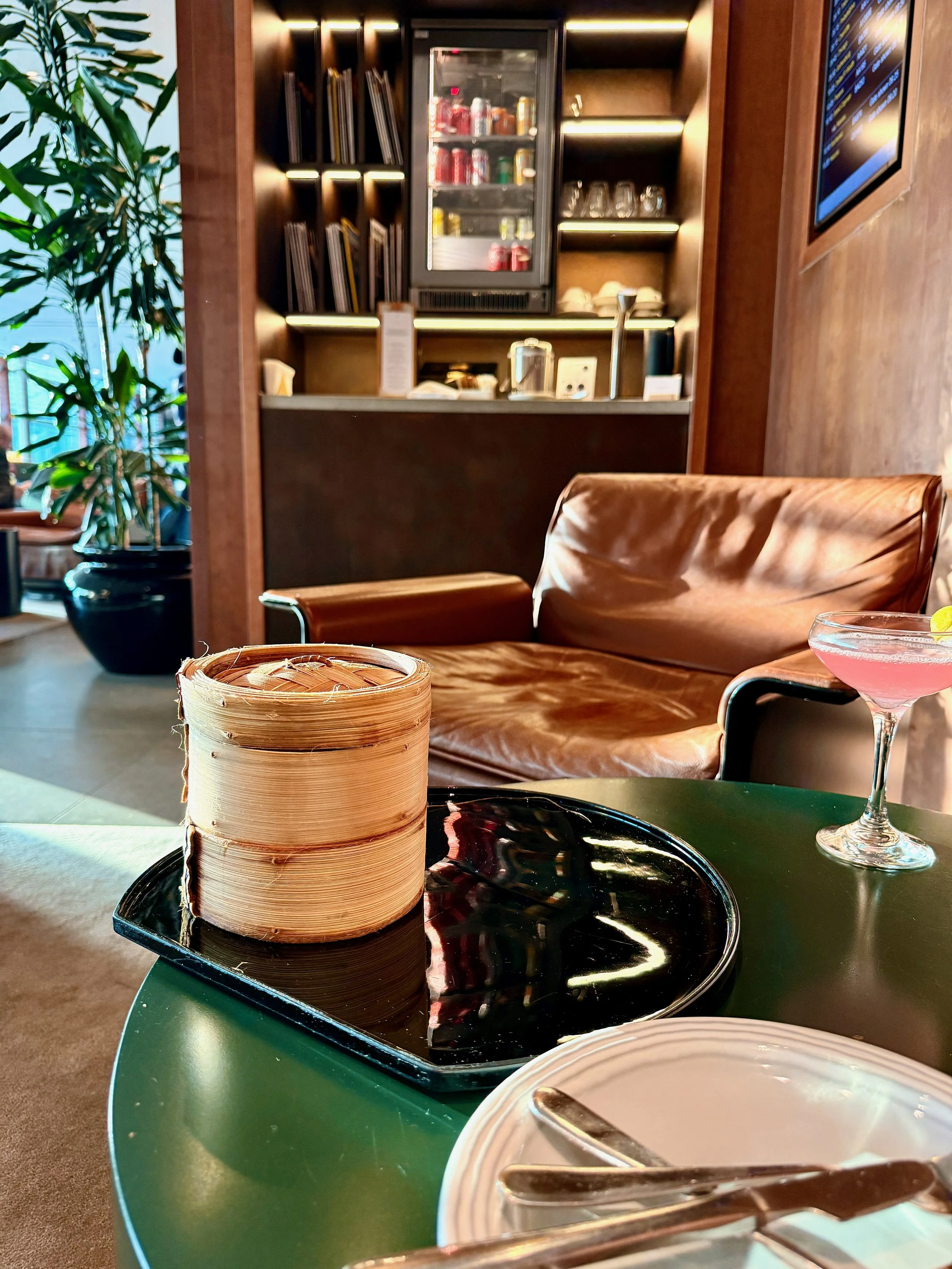
Image: Bamboo steamer at Cathay Pacific Business Class Lounge. © 2026 Palates & Miles
The food offering is what most clearly sets this lounge apart from others in the terminal. The noodle bar serves freshly prepared noodle dishes, dumplings and bao. Orders are placed directly at the counter, after which guests are given a small buzzer that notifies them when the food is ready for collection. It is an efficient and well-considered system that avoids crowding around the bar. Preparation times typically run between ten and fifteen minutes, though this depends on how busy the lounge is at the time. There is also a second food hall area to the left of the noodle bar, where a selection of prepared Asian dishes is available if time is limited.
The bar offers a wide range of wines, spirits, cocktails, tea and coffee. Signature drinks include the Cathay Delight and Orange Dream, while classics such as a Negroni, Martini or Margarita are also available. Champagne is offered in the form of Laytons Brut Reserve, which feels appropriately chosen for the setting.
Service is efficient and consistent across the different areas of the lounge. It is less overt than in the Centurion Lounge, though this is likely due in part to the volume of passengers moving through the space, particularly in the evening. The overall atmosphere feels closer to that of a Hong Kong hotel lounge than a conventional airport waiting area, which is very much in keeping with what Cathay Pacific aims to project as an airline. The dress code leans smart casual, though business attire is common, reflecting the routes and traveller profile the lounge serves.
P&M tip: If travelling through Terminal 3 in the early evening, the strongest approach is to begin with the Centurion Lounge for a quick drink before the later rush builds. Then, time permitting, move on to the Cathay Pacific Lounge for a short stop at the Noodle Bar before boarding.
It is a practical, unfussy sequence that balances atmosphere with substance and leaves you properly refuelled before the journey ahead.
Final thoughts
Heathrow Terminal 3 offers one of the most considered lounge experiences anywhere across the airport, not because of scale alone, but because of the quality and contrast available within it.
The Centurion Lounge and the Cathay Pacific Business Class Lounge serve different purposes and that is precisely what makes the pairing work. One leans more towards atmosphere, bar experience and a shorter reset before departure. The other offers a calmer rhythm and a stronger food proposition, particularly if time allows for a more complete pause before boarding.
Taken together, they show that a pre-departure experience does not need to feel functional or hurried. With the right sequence, Terminal 3 can offer a departure that feels measured, well fed and quietly refined.
At its best, Terminal 3 allows the journey to begin long before the aircraft door closes.